
What Is A Gravity Suit & How Does It Work?
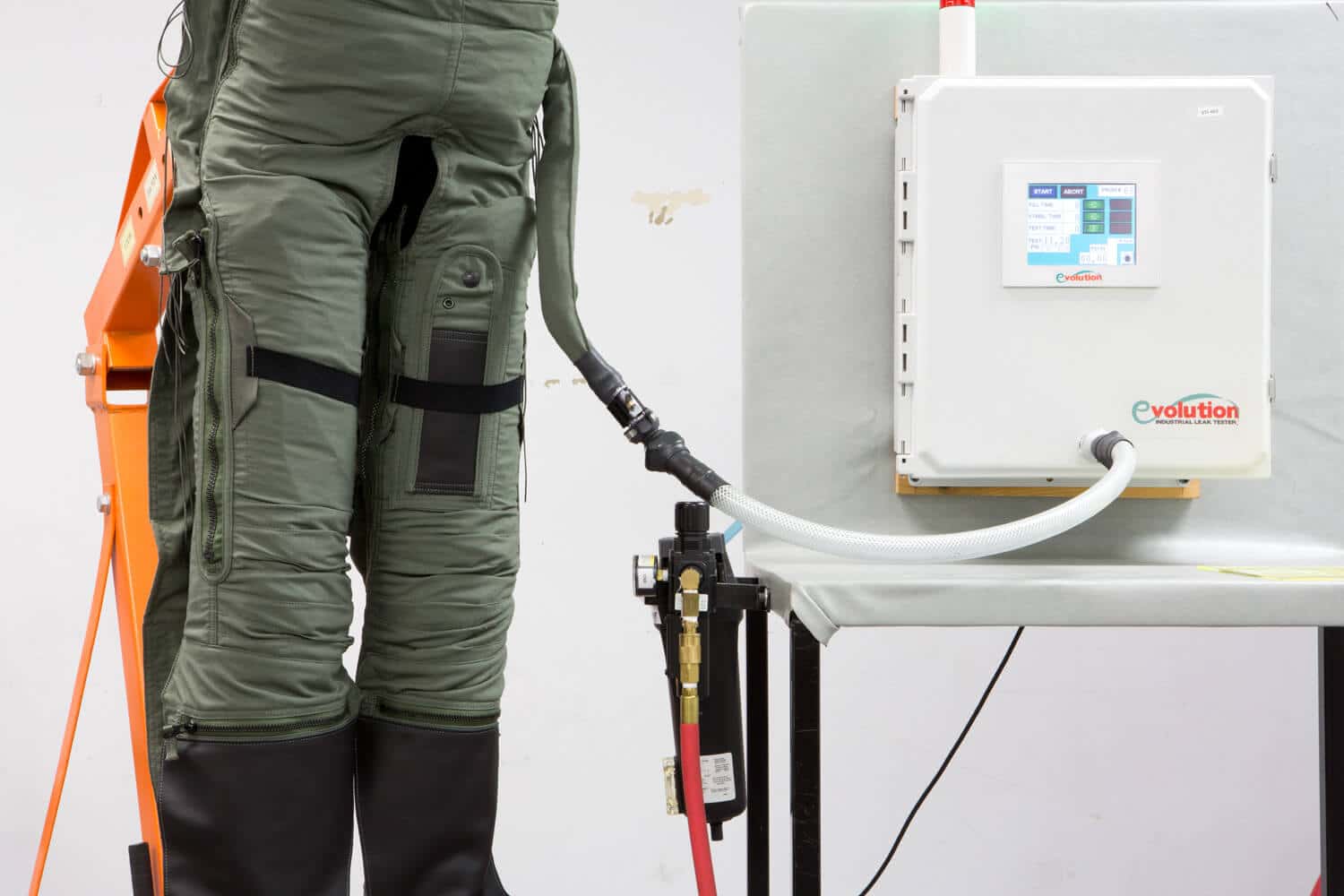
A gravity suit helps pilots handle heavy g-force during sharp turns and sudden flight maneuvers. People often call it a G-suit or anti-G suit. The suits have a major priority: keep blood from pooling in the lower body when acceleration puts pressure on the pilot. A gravity suit works through pressure. During high-g flight, blood wants to move toward the legs and abdomen. This can leave the brain short on oxygen. Tunnel vision, gray-out, blackout, or G-LOC are sudden risks. A properly built suit applies pressure around the lower body so the pilot can stay alert and keep control of the aircraft.
Vinyl Technology is trusted by many as a gravity suit manufacturer. These suits need tough materials and smart construction. A gravity suit has to support the pilot under pressure, literally, without anything extra that may get in the way inside the cockpit.
The earliest anti-G suit concepts came from aviation medicine, where researchers studied how acceleration affected pilots. As aircraft gained speed and power, the need for pressure garments became obvious. A pilot could have skill, training, nerve, the whole thing, yet g-force could still take over the body in seconds.
Modern gravity suits solve that problem with controlled compression. The suit reacts during high-g moments and helps hold blood where the pilot needs it most. The design may look simple from the outside. Inside, every panel, bladder, valve connection, seam, and material choice has a job to do.
Start A Project Request A Quote
How Do G-Forces Work?
Here’s a little experiment you can do at home: tie a string around a water bottle and swing it around. You’ll notice that the forces exerted on that bottle will push the water toward the outer edge of the bottle. The human body is also full of fluids, and the g-forces that a bottle goes through are similar to the forces that humans go through when flying.
When the human body experiences high acceleration, the force of gravity pushes the blood normally pumping freely through their bodies into their legs. This pooling of blood in places other than the pilot’s brain, where at least some of it belongs, would cause them to lose consciousness and crash their vehicles.
Where Do Gravity Suits And Contract Sewing Come In?
At Vinyl Technology, we often say that we sew everything except clothes, but the gravity suit and hazmat suit are two notable exceptions. An anti-G suit isn’t really a garment that somebody picks out because of how it looks or how it feels to wear. Nobody wears a g-suit, or a hazmat suit, or a DPE Suit because of how it looks.
The value of a garment created with industrial contract sewing, like many products we make, is in the job it performs. The simplest type of gravity suit uses air bladders to squeeze the pilot’s legs to push blood back into the pilot’s head, where it belongs. With lives on the line, regular old textiles simply won’t do.
The type of sewing Vinyl Technology specializes in uses industrial sewing machines, RF welding, heat seals, and other high-tech methods of fastening two flexible pieces together to create the bonds that keep pilots alive, protect soldiers during the cleanup of hazardous waste disposal sites, and more.
Vinyl Technology specializes in many custom contract-sewn products, such as self-inflating mattresses, green cushions, or pneumatic black pillows.
For more information about what kinds of products we can sew for you, get in touch today.

Article Reviewed For Accuracy By: Jackie Sanchez, VP of Sales Operations
Jackie Sanchez is the VP of Sales Operations at Vinyl Technology.
Jackie became a VP in 2021 following over four years of service as our Director of Human Resources. Her leadership competencies include human resources capacity, ethical conduct, strategic thinking, decision making, and financial management.
She holds an undergraduate degree from Chapman University. Follow her on LinkedIn.